
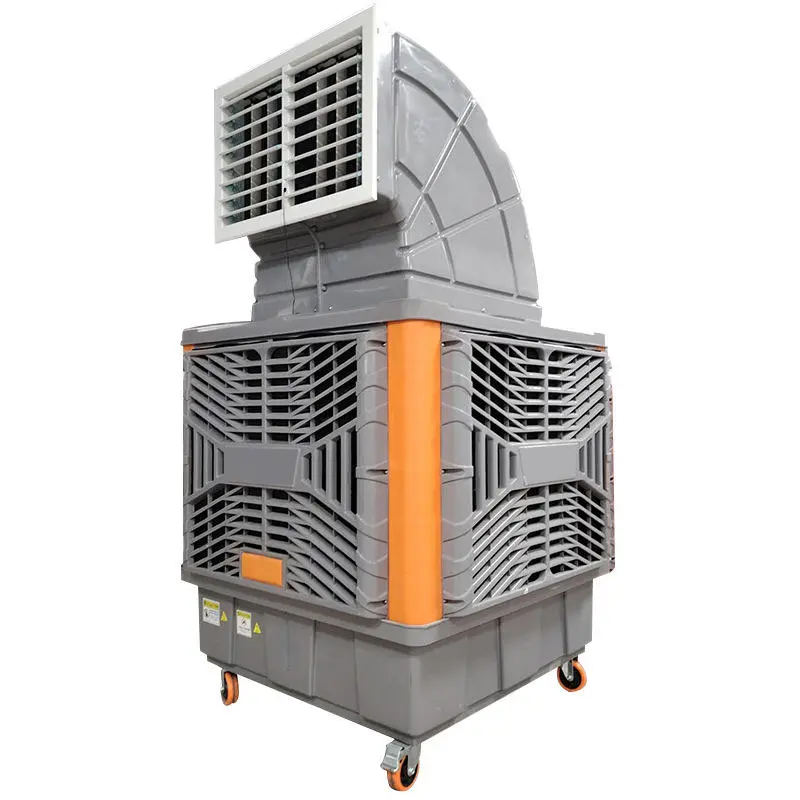


Wall mounted desert type Air cooler
·Frequency control, smooth motor speed regulation, energy-saving;
·Easy to operate, suitable for places where air volume and temperature need to change;
·The frame is made of high weather resistant polymer, which is UV resistant, anti-corrosion, aging resistant and deformation free;
·Axial flow fan, with high air volume, low noise, and low power consumption;
·High quality fully enclosed aluminum frame motor with good heat exchange and high protection level;
·Open type water separator, with smooth water flow and no blockage;
·Efficient evaporative filter with high evaporation rate, good cooling effect, and easy cleaning.
Air cooler motor
All copper motor, quiet and durable
Fan blades
High wind volume, strong long-distance air supply
Wall mounted air cooler
anti-aging; Corrosion resistance; Long lifespan;
Thickened water curtain paper, encrypted evaporative water curtain paper, with strong water absorption and more obvious cooling effect.
Industrial workshop cooling fans are essential components in modern manufacturing and production environments. As industries continue to expand and operate under increasingly demanding conditions, maintaining optimal indoor climate control has become a critical priority. Excessive heat, poor air circulation, and airborne contaminants can negatively impact worker health, reduce equipment lifespan, and lower overall productivity.
Industrial workshops are often high-heat environments due to the presence of heavy machinery, continuous operations, and energy-intensive processes. Heat is generated from multiple sources including motors, furnaces, welding equipment, compressors, and lighting systems. In addition, large enclosed spaces with limited ventilation can trap heat, creating uncomfortable and sometimes hazardous conditions.
When temperatures rise beyond acceptable levels, workers may experience fatigue, dehydration, and reduced concentration. This not only affects performance but also increases the likelihood of workplace accidents. Furthermore, excessive heat can cause machinery to overheat, leading to frequent breakdowns, increased maintenance costs, and production delays.
Industrial cooling fans provide a practical and cost-effective solution by improving airflow, removing hot air, and creating a more comfortable and safer working environment.
Industrial workshop cooling fans are high-performance air-moving devices designed specifically for large-scale environments. Unlike household fans, these units are built to handle continuous operation, high temperatures, and demanding industrial conditions.
They are commonly used in factories, warehouses, assembly lines, metal workshops, automotive plants, and logistics centers. Their primary functions include air circulation, heat dissipation, ventilation, and in some cases, support for cooling processes.
These fans are engineered with robust materials such as heavy-duty steel or aluminum and are equipped with powerful motors capable of moving large volumes of air efficiently.
Industrial cooling fans operate by generating airflow through rotating blades driven by an electric motor. The movement of the blades creates a pressure difference that pushes air across the workspace.
The cooling effect is primarily achieved through increased air movement rather than actual temperature reduction. When air flows across the skin, it accelerates the evaporation of sweat, which produces a cooling sensation for workers.
In addition to personal cooling, industrial fans help distribute air evenly throughout a facility, preventing the formation of hot spots and improving overall air quality by dispersing fumes, dust, and airborne particles.
Choosing the right type of industrial fan depends on the layout, size, and specific cooling requirements of the workshop. Below are the most common types.
Axial fans move air parallel to the axis of the fan blades. They are widely used for general ventilation and cooling in large open spaces. These fans are efficient for moving large volumes of air at relatively low pressure.
They are commonly installed on walls, ceilings, or as standalone units.
Centrifugal fans, also known as blowers, move air perpendicular to the intake direction. They are designed to generate higher pressure, making them suitable for ducted systems and environments where air needs to be moved through filters or long distances.
These fans are often used in applications requiring precise airflow control.
High volume low speed fans are large-diameter ceiling fans designed to move massive amounts of air at low rotational speeds. They are ideal for warehouses and large workshops with high ceilings.
These fans create a gentle, consistent airflow that can cover wide areas, improving comfort without creating strong drafts.
Wall mounted industrial fans are installed on vertical surfaces and are ideal for targeted airflow in specific areas. They are commonly used in workshops where floor space is limited.
These fans are adjustable and can direct airflow toward workstations or heat-generating equipment.
Portable fans offer flexibility and mobility. They can be moved to different locations as needed, making them suitable for temporary cooling or maintenance tasks.
They are often used in construction sites or dynamic work environments.
Exhaust fans are designed to remove hot air, fumes, and contaminants from the workspace. They are typically installed on walls or roofs and play a crucial role in maintaining air quality.
Industrial cooling fans provide numerous advantages that make them indispensable in workshop environments.
By reducing heat stress and improving airflow, fans create a more comfortable working environment. This leads to increased focus, higher efficiency, and better overall performance.
Fans help circulate fresh air and remove pollutants such as dust, smoke, and fumes. This contributes to a healthier workplace and reduces the risk of respiratory issues.
Compared to air conditioning systems, industrial fans consume significantly less energy. They provide an economical solution for large spaces where air conditioning may not be practical.
Proper airflow helps dissipate heat from machinery, preventing overheating and extending equipment lifespan.
Industrial fans are relatively affordable to install and maintain. Their long operational life and low energy consumption result in significant cost savings over time.
Selecting the right fan requires careful evaluation of several factors.
The size and configuration of the space determine the type and number of fans required. Large open areas may benefit from high volume low speed fans, while smaller spaces may require wall mounted or portable units.
Airflow is measured in cubic meters per minute or cubic feet per minute. Understanding the required airflow ensures that the fan can effectively cool the space.
Consider whether the fan will be installed on the ceiling, wall, or floor. The mounting method should align with the workshop design and operational needs.
Industrial fans can generate noise, which may affect worker comfort. Choosing models with lower noise output is important in noise-sensitive environments.
Energy efficiency is a key consideration for long-term operational costs. Look for fans with efficient motor designs and variable speed controls.
Industrial environments can be harsh, so fans should be made from durable materials مقاistent to corrosion, dust, and high temperatures.
Safety guards, thermal protection, and secure mounting systems are essential to ensure safe operation.
Proper installation is crucial for maximizing the effectiveness of industrial cooling fans.
Position fans to create consistent airflow across the workspace. Avoid placing fans in locations where airflow may be obstructed by walls or machinery.
For ceiling fans, ensure proper height clearance to optimize air distribution. Wall mounted fans should be angled to target key areas.
Electrical connections should comply with safety standards, and installation should be carried out by qualified professionals.
In large facilities, consider using multiple fans to create a balanced airflow system rather than relying on a single unit.
Regular maintenance ensures optimal performance and extends the lifespan of industrial fans.
Clean fan blades and guards to prevent dust buildup, which can reduce efficiency.
Inspect motors and electrical components periodically for signs of wear or damage.
Lubricate moving parts as needed to ensure smooth operation.
Check mounting structures and fasteners to ensure stability and safety.
Schedule routine inspections and maintenance to prevent unexpected breakdowns.
Industrial cooling fans are an environmentally friendly solution compared to traditional air conditioning systems. By reducing energy consumption, they contribute to lower carbon emissions.
Modern fans often include advanced features such as variable frequency drives, smart controls, and automated systems that optimize performance based on real-time conditions.
Combining fans with natural ventilation strategies, such as opening vents and windows, can further enhance energy efficiency.
Industrial cooling fans are used across a wide range of industries.
Manufacturing facilities rely on fans to maintain safe operating temperatures.
Warehouses use fans to improve air circulation and reduce heat buildup.
Automotive workshops benefit from targeted cooling during repair and assembly processes.
Food processing plants use fans to maintain hygiene and control temperature.
Construction sites utilize portable fans for temporary cooling solutions.
The future of industrial cooling fans is shaped by advancements in technology and sustainability.
Smart fans equipped with sensors and automation systems can adjust speed and operation based on temperature and occupancy.
Integration with building management systems allows centralized control and monitoring.
Energy-efficient motor technologies continue to evolve, reducing power consumption while maintaining high performance.
There is also a growing focus on noise reduction and ergonomic design to improve user experience.
Industrial workshop cooling fans are indispensable tools for maintaining safe, efficient, and productive working environments. They provide a practical solution to the challenges of heat management, air circulation, and energy efficiency in industrial settings.
By understanding the different types of fans, their working principles, and the factors involved in selecting and maintaining them, businesses can make informed decisions that enhance operational performance and worker well-being.
Investing in the right cooling system is not just about comfort. It is a strategic decision that impacts productivity, safety, and long-term cost savings. As technology continues to advance, industrial cooling fans will remain a cornerstone of modern industrial infrastructure, offering reliable and sustainable solutions for years to come.




Copyright @ Guangdong Guangyu Wind Ventilation and Cooling Equipment Co., Ltd All rights reserved Main products: Industrial ceiling fans, sourced from the factory
Mapa del sitioEste sitio web utiliza cookies para garantizar que obtenga la mejor experiencia en nuestro sitio web.

 English
 한국어
한국어 العربية
 বাংলা
বাংলা



 Whatsapp
 Teléfono