


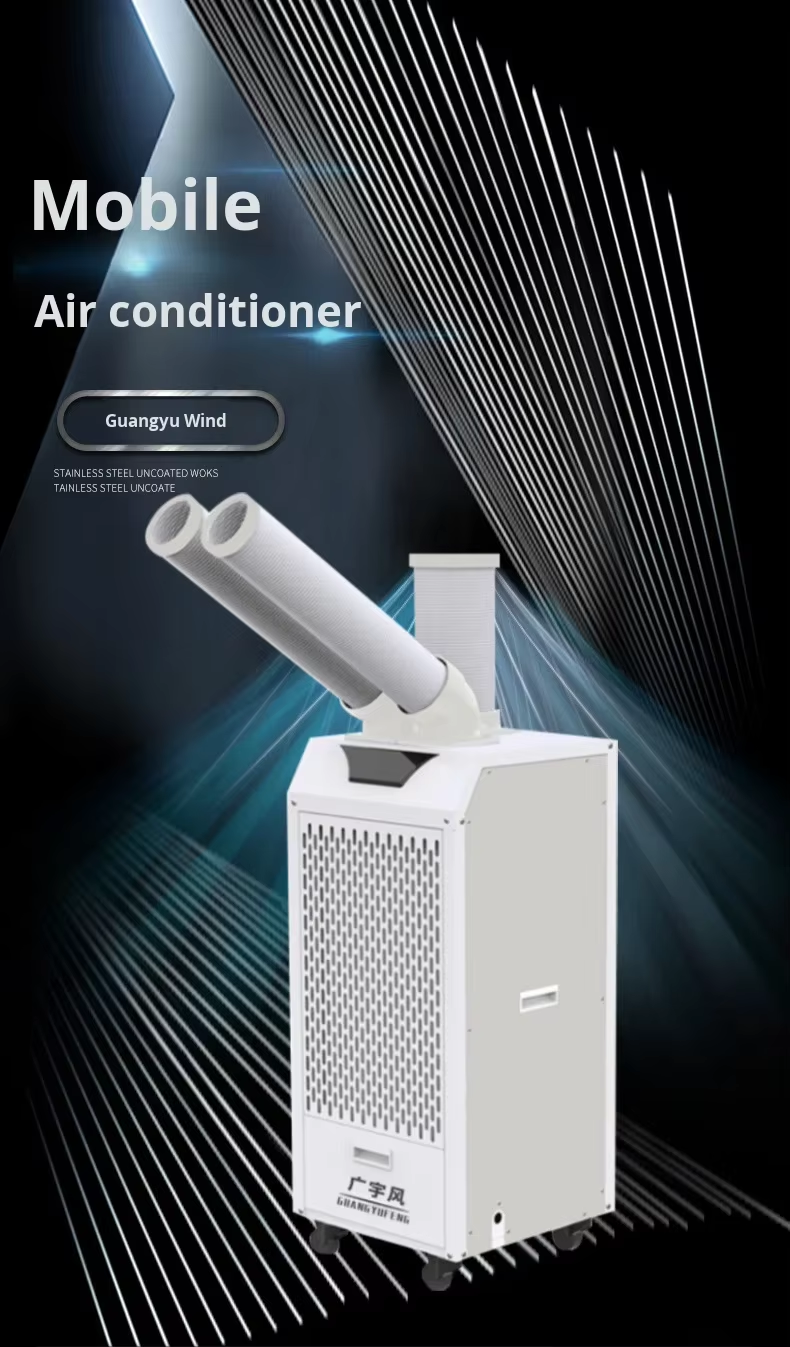
Industrial floor standing air conditioners: A Complete Guide to High-Efficiency Cooling Solutions for Industrial and Commercial Spaces
Industrial floor standing air conditioners are powerful and flexible cooling systems designed to meet the demanding requirements of large-scale environments such as factories, warehouses, workshops, exhibition halls, and commercial buildings. Unlike wall-mounted or ceiling-mounted units, floor standing air conditioners are installed directly on the ground, making them ideal for spaces where structural limitations or layout constraints prevent other types of installations.
With the increasing need for energy efficiency, climate control precision, and operational reliability, industrial floor standing air conditioners have become an essential solution in modern facilities. These systems are specifically engineered to handle high heat loads, large open areas, and continuous operation, ensuring stable indoor conditions even in challenging environments.
An industrial floor standing air conditioner is a type of air conditioning system designed for high-capacity cooling in large spaces. It is typically composed of an indoor unit placed on the floor and an outdoor unit that dissipates heat. These systems are often part of split-type configurations, although integrated units are also available.
Floor standing units are known for their high airflow, strong cooling capacity, and ease of installation. They do not require complex ceiling or wall modifications, making them suitable for retrofit projects and facilities with limited structural flexibility.
These systems are widely used in industrial and commercial settings where consistent cooling performance is essential. They are capable of delivering powerful airflow over long distances, ensuring uniform temperature distribution across large areas.
Industrial floor standing air conditioners operate based on the standard refrigeration cycle, which involves heat absorption, heat transfer, and air circulation.
The indoor unit draws in warm air from the environment and passes it through a filtration system to remove dust and contaminants. The air then flows over the evaporator coil, where the refrigerant absorbs heat and cools the air.
The cooled air is then blown back into the space through high-capacity fans, creating a consistent and comfortable indoor environment. The refrigerant, now carrying heat, travels to the outdoor unit where it is compressed and condensed. The heat is released outside, and the refrigerant returns to its original state to repeat the cycle.
Advanced systems incorporate inverter technology, allowing the compressor to adjust its speed according to cooling demand. This improves energy efficiency and maintains stable temperature control.
Industrial floor standing air conditioners are equipped with a range of features designed to meet the needs of demanding environments.
High cooling capacity is one of the most important features. These systems are capable of handling large heat loads, making them suitable for industrial applications.
Strong airflow is another key feature. High-powered fans ensure that cooled air reaches every corner of the space, eliminating hot spots.
Energy efficiency is a major focus in modern systems. Technologies such as inverter compressors and energy-saving modes help reduce electricity consumption.
Durability is essential in industrial environments. These systems are built with robust materials and components that can withstand dust, vibration, and high temperatures.
Flexible installation is another advantage. Because the units are floor-mounted, they can be installed without major structural changes.
User-friendly control systems allow operators to easily adjust settings and monitor performance.
Industrial floor standing air conditioners offer numerous advantages that make them a popular choice for large-scale cooling.
One of the primary benefits is powerful and efficient cooling. These systems can quickly reduce temperatures in large spaces, improving comfort and productivity.
Another benefit is ease of installation. Unlike ceiling-mounted systems, floor standing units do not require complex installation procedures.
They also provide flexibility. Units can be relocated or adjusted as needed, making them suitable for dynamic environments.
Energy savings are another significant advantage. Modern systems are designed to optimize energy use, reducing operating costs.
Improved air quality is also a benefit. Built-in filtration systems help remove dust and contaminants, creating a healthier environment.
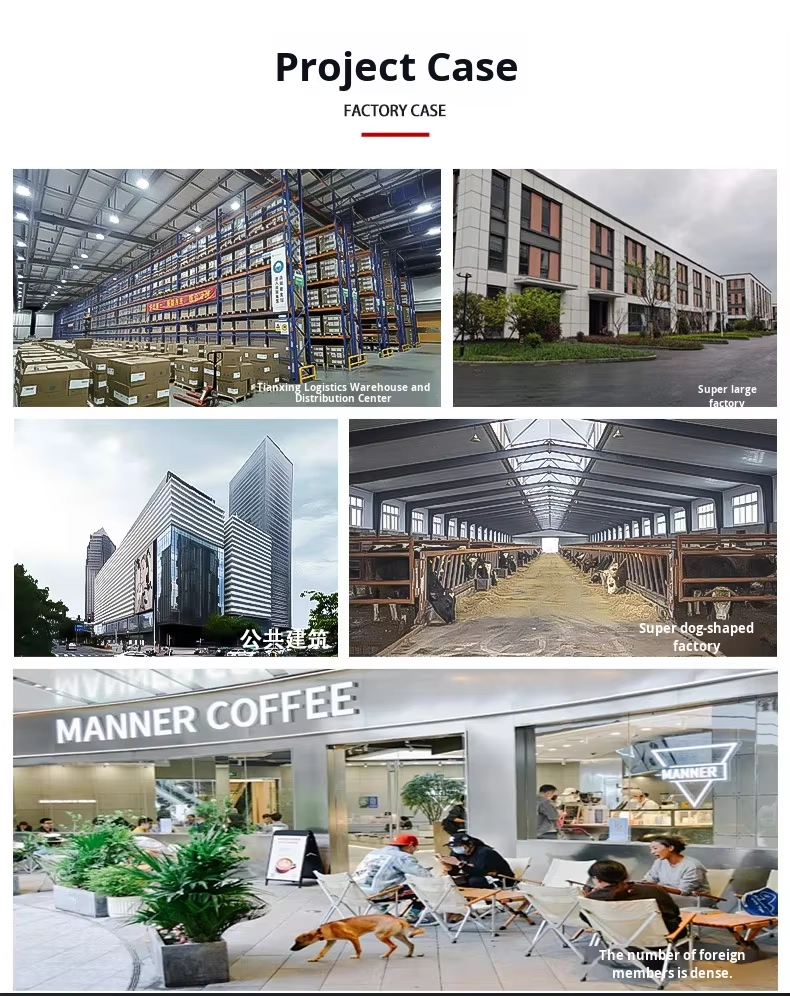
Industrial floor standing air conditioners are used in a wide range of industries and environments.
In manufacturing plants, they provide cooling for production areas and machinery, ensuring stable operating conditions.
Warehouses use these systems to maintain comfortable temperatures for workers and protect stored goods.
Workshops benefit from improved airflow and reduced heat, enhancing productivity.
Commercial spaces such as shopping malls, exhibition halls, and showrooms use floor standing units for efficient climate control.
Server rooms and equipment rooms require stable temperatures to protect sensitive electronics.
Temporary installations such as events and construction sites also use these systems due to their flexibility.
When compared to other cooling systems, industrial floor standing air conditioners offer unique advantages.
Compared to wall-mounted units, they provide higher capacity and stronger airflow.
Compared to ceiling-mounted systems, they are easier to install and maintain.
Compared to centralized HVAC systems, they offer greater flexibility and lower initial installation costs.
However, centralized systems may be more suitable for very large facilities that require uniform cooling across multiple zones.
Energy efficiency is a key consideration in industrial cooling. Modern floor standing air conditioners are designed to minimize energy consumption while maintaining high performance.
Inverter technology allows the system to adjust its output based on demand, reducing energy waste.
Eco-friendly refrigerants are used to minimize environmental impact.
Smart control systems optimize operation and improve efficiency.
By reducing energy consumption, these systems help businesses lower operating costs and meet sustainability goals.
Selecting the right system requires careful evaluation of several factors.
Cooling capacity should match the size and heat load of the space.
Energy efficiency ratings should be considered to ensure long-term savings.
Installation requirements should be evaluated to ensure compatibility with the facility.
Reliability and durability are critical for industrial applications.
After-sales support and maintenance services should also be considered.
Professional consultation can help ensure the best solution for your needs.
Regular maintenance is essential for optimal performance.
Filters should be cleaned regularly to maintain airflow.
Coils should be inspected and cleaned to ensure efficient heat exchange.
Refrigerant levels should be checked periodically.
Electrical components should be inspected for safety.
Preventive maintenance helps extend the lifespan of the system and reduce downtime.
The future of industrial air conditioning is focused on smart technology and sustainability.
IoT-enabled systems allow for remote monitoring and control.
Artificial intelligence is being used to optimize performance and reduce energy consumption.
New materials and designs are improving efficiency and durability.
As environmental regulations become stricter, manufacturers are developing more eco-friendly solutions.
Industrial floor standing air conditioners are a versatile and efficient solution for large-scale cooling needs. They offer powerful performance, flexible installation, and energy efficiency, making them ideal for a wide range of industrial and commercial applications.
By choosing the right system and maintaining it properly, businesses can achieve reliable cooling, improved productivity, and reduced operating costs.
As technology continues to advance, industrial floor standing air conditioners will play an increasingly important role in modern climate control systems, helping industries meet the challenges of efficiency, sustainability, and performance.
 RELATED


Copyright @ Guangdong Guangyu Wind Ventilation and Cooling Equipment Co., Ltd All rights reserved Main products: Industrial ceiling fans, sourced from the factory
Mapa del sitioEste sitio web utiliza cookies para garantizar que obtenga la mejor experiencia en nuestro sitio web.

 English
 한국어
한국어 العربية
 বাংলা
বাংলা



 Whatsapp
 Teléfono